What Exactly is Cold Water Immersion?
Cold water immersion, often called a 'cold plunge' or 'ice bath,' is the simple act of submerging your body in cold water—typically 59°F (15°C) or lower—for a specific duration. While it has recently gained massive popularity through figures like Wim Hof, the practice has roots in ancient hydrotherapy traditions used for centuries to invigorate the body and mind.
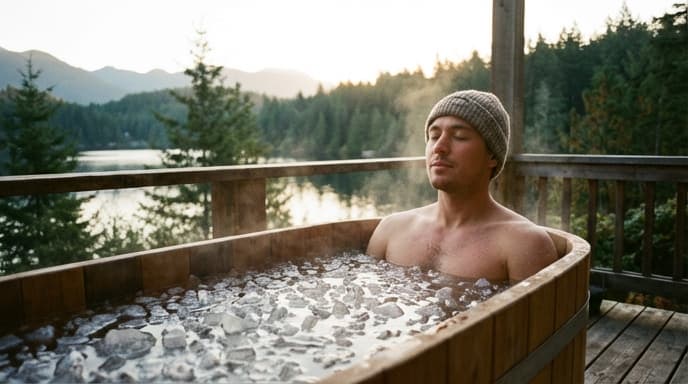
The core principle is to expose the body to a controlled, intense stressor (the cold). This triggers a cascade of powerful physiological responses as your body fights to maintain its core temperature and protect vital organs. It's this adaptive response that advocates point to as the source of its potential benefits.
The Body's Reaction: What to Expect During Your First Plunge
The initial shock of cold water is intense and can be alarming if you're not prepared. Here's what's happening inside your body:
- The Cold Shock Response: The moment you enter the water, you'll experience an involuntary gasp for air, followed by rapid breathing (hyperventilation). This is your sympathetic nervous system (the 'fight or flight' system) kicking into high gear. Your primary goal here is to override this panic and control your breath.
- Vaso-constriction: To protect your vital organs, your body dramatically narrows the blood vessels in your extremities (arms, legs, skin). This is called vaso-constriction. It pushes blood toward your core, which is why your skin may look pale or even bluish.
- The Mammalian Dive Reflex: This is a fascinating, automatic response shared by all mammals. When your face is submerged in cold water, your heart rate slows down. This reflex helps conserve oxygen and is a key part of why the experience can shift from panic to a state of calm focus.
A Step-by-Step Guide to Your First Cold Exposure
You don't need a fancy, expensive tub to start. Your own bathroom is the perfect laboratory. Follow these steps to begin safely.
Step 1: Start with Cold Showers. Before you even think about a full bath, get your body accustomed to the sensation. End your regular warm shower with 15-30 seconds of the coldest water you can tolerate. Focus on breathing slowly and calmly through the shock. Do this for a week.
Step 2: Prepare Your First Bath. Fill your tub with cold water. At first, you don't even need ice. The water from your tap is likely cold enough (around 50-60°F or 10-15°C) to trigger a response. Have a towel and warm clothes ready for when you get out.
Step 3: The Plunge - Control Your Breath. Before getting in, take a few deep, calming breaths. As you submerge, exhale slowly. This helps counteract the gasp reflex. The initial 60 seconds are the hardest. Focus entirely on making your exhales longer than your inhales. Do not hold your breath.
Step 4: Aim for Duration, Not Heroics. Your first goal is not to stay in for 10 minutes. Aim for 1-3 minutes. Consistency is far more important than duration. Get out when you feel you've reached your limit. You can build up over time.
Step 5: Warm Up Naturally. After getting out, dry off quickly and put on warm clothes. Avoid the temptation to jump into a hot shower immediately, as this can be stressful on your circulatory system. Let your body shiver and warm itself up from the inside out. A little light movement can help.
Frequently Asked Questions
How cold should the water be?
For beginners, anything below 60°F (15°C) is effective. You don't need to start with a tub full of ice. As you adapt, you can gradually lower the temperature.
Is it supposed to be painful?
It will be intensely uncomfortable at first, but it should not be sharply painful. If you experience sharp, shooting pains or feel dizzy, get out immediately. Listen to your body.
How often should I do it?
Many practitioners aim for 3-5 times per week to build adaptation. However, even once or twice a week can be beneficial. Consistency is key.
Summary of Key Points
- Cold water immersion is the practice of submerging the body in cold water (below 60°F/15°C).
- The initial 'cold shock' is a natural fight-or-flight response; the key is to control your breathing.
- Beginners should start with cold showers to acclimate their bodies to the sensation.
- For your first plunge, aim for a short duration (1-3 minutes) and focus on calm, slow exhales.
- Warm up naturally after getting out rather than jumping into a hot shower.